Slow-Cooked Beef Curry with Rice
Experience the ultimate comfort food with this Slow-Cooked Beef Curry with Rice. This recipe transforms humble beef stew meat into a remarkably tender, flavor-packed dish, swimming in a rich and aromatic coconut curry sauce. Designed for a more efficient cook time while retaining that deeply satisfying 'slow-cooked' taste, it's perfect for a weeknight dinner or a special gathering. The balance of savory, sweet, and a hint of spice will transport your taste buds straight to the heart of Asian cuisine.

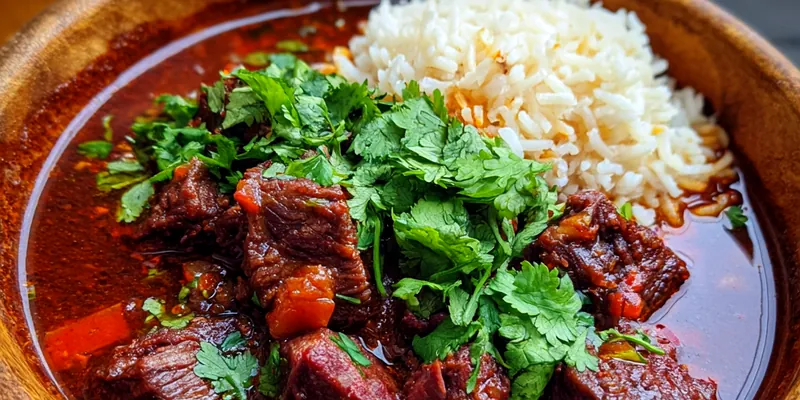
Why This Slow-Cooked Beef Curry with Rice Recipe Works
This Slow-Cooked Beef Curry with Rice isn't just another dinner recipe; it's a testament to achieving deep, complex flavors in a surprisingly short amount of time. The secret lies in effectively layering flavors, starting with a powerful sear on the beef to lock in juices and develop rich caramelization. This foundational step is crucial for the overall depth of the curry, creating savory notes that linger beautifully. Combined with aromatic spices and a creamy coconut base, every spoonful is a harmonious blend of sweet, savory, and a gentle kick.
The beauty of this recipe also lies in its simplicity and the masterful interplay of textures. We use readily available ingredients, transforming them through straightforward techniques into a dish that tastes like it simmered for hours. The balance of the tender beef with crisp-tender vegetables and the fluffy jasmine rice creates a satisfying meal that feels both wholesome and indulgent. It's designed to bring authentic Asian flavors to your table without the fuss, ensuring a successful and delicious outcome every single time you make it.
💡 Professional Tip
For an even richer flavor, after searing the beef and before adding the onions, deglaze the pot with a splash of beef broth or red wine. Scrape up all the browned bits from the bottom of the pot; these 'fond' bits are packed with umami and will significantly deepen the overall taste of your curry. Make sure to evaporate the liquid before continuing with the aromatics.
Frequently Asked Questions
Absolutely! Slow-Cooked Beef Curry often tastes even better the next day as the flavors have more time to meld. Prepare the curry portion completely and allow it to cool before storing it in an airtight container in the refrigerator for up to 3-4 days. You can cook the rice fresh just before serving, or store cooked rice separately. Reheat gently on the stovetop or in the microwave, adding a splash of broth or water if the sauce has thickened too much.
While beef stew meat (like chuck or sirloin) is ideal for its ability to become tender and flavorful, you can substitute it with other cuts. Beef short ribs, cut into 1-inch pieces, would work wonderfully but may require a slightly longer cook time to reach optimal tenderness. For a quicker option, consider using beef sirloin or flank steak, cut against the grain into thin strips, which would cook faster but might not achieve the same 'fall-apart' texture.
The beef curry is done when the beef is fork-tender and easily pulls apart. You can test this by taking a piece out and trying to cut it with a fork. It should offer minimal resistance. The vegetables, particularly the carrots, should be tender but still retain a slight bite. For the rice, it should be fluffy, with individual grains, and absorb all the cooking liquid without being mushy or sticky.
Yes, the beef curry freezes very well! Let the curry cool completely, then transfer it to freezer-safe airtight containers or heavy-duty freezer bags. It can be stored in the freezer for up to 2-3 months. Thaw overnight in the refrigerator before reheating gently on the stovetop or in the microwave. Freezing the rice separately is recommended, as its texture can change after freezing and thawing, becoming a bit mushy.
Besides the essential jasmine rice, this curry pairs beautifully with a variety of sides. Consider serving it with a simple side salad dressed with a lime vinaigrette to cut through the richness. Steamed or stir-fried greens like bok choy or spinach add freshness and texture. For an extra touch, a sprinkle of chopped peanuts, a dollop of Greek yogurt (if you enjoy a cooling element), or a side of naan bread for scooping up the sauce would be delightful.
When stored properly in an airtight container in the refrigerator, the Slow-Cooked Beef Curry can last for 3 to 4 days. Cooked jasmine rice should be stored separately and is best consumed within 1-2 days for optimal freshness and texture. Always ensure both components are cooled quickly before refrigerating to maintain food safety and quality.
Indeed, this recipe is an excellent candidate for meal prep! Preparing the curry portion a day or two in advance allows the flavors to deepen and meld even further, resulting in a more robust and satisfying dish. Simply cook the curry as instructed, let it cool, and refrigerate. On the day of serving, gently reheat the curry on the stovetop and cook fresh jasmine rice for the best experience. This strategy makes weeknight dinners incredibly easy.
For best results, reheat the beef curry gently on the stovetop over medium-low heat, stirring occasionally, until it's heated through. If the sauce has thickened too much, add a splash of beef broth or water to reach your desired consistency. Reheat rice separately; either microwave it with a sprinkle of water and a damp paper towel or steam it in a steamer basket until warm and fluffy again.
Recipe Troubleshooting Guide
Curry Too Thick / Rice Too Dry
Problem: The curry sauce is overly thick, or the cooked rice is dry and hard.
Solution: If the curry is too thick, simply stir in additional beef broth or water, one tablespoon at a time, until it reaches your desired consistency. For dry rice, try adding a tablespoon of water, covering the bowl tightly, and microwaving for 30 seconds, or gently steaming on the stovetop.
Beef Not Tender Enough
Problem: After 45 minutes, the beef is still chewy and tough.
Solution: If the beef isn't tender, it simply needs more time to cook. Continue simmering, covered, over low heat for an additional 15-30 minutes, checking for tenderness every 10 minutes. Different cuts of beef and varying sizes of cubes can affect cooking time.
Overcooked Rice
Problem: The jasmine rice is mushy or sticky, not fluffy.
Prevention: To prevent overcooked rice, ensure you use the correct water-to-rice ratio (typically 1:1 for jasmine rice in a pot). Avoid lifting the lid during cooking, as this releases steam crucial for proper absorption. Once cooked, let it rest for 5-10 minutes off the heat, then fluff with a fork.
Undercooked Beef
Problem: The beef pieces are still tough and firm, even after extended cooking.
Recovery: This usually means it needs more time. Ensure the simmer is truly gentle – too high a heat can toughen meat. If using a tougher cut, patience is key. For a quick fix, if you have a pressure cooker, you could transfer the curry and cook for 10-15 minutes under high pressure for faster tenderization.
Curry Burning at Bottom
Problem: The bottom of the pot is scorching or sticking while simmering the curry.
Prevention: This often happens if the heat is too high or if not stirred frequently enough. Ensure the heat is set to low for a gentle simmer. Use a heavy-bottomed pot or Dutch oven, which distributes heat more evenly. Stir the curry every 10-15 minutes, scraping the bottom to prevent sticking.
Flavor Balance
Too Sweet: If too sweet, add a splash of lime juice or fish sauce to balance, or a pinch of salt.
Too Salty: If too salty, add a little more coconut milk or a squeeze of lime juice, along with a pinch of brown sugar to soften the saltiness.
Bland: If bland, consider adding more red curry paste (carefully, as it adds heat), a dash more fish sauce, or a pinch of salt and pepper. A little extra grated ginger can also boost the aromatics.
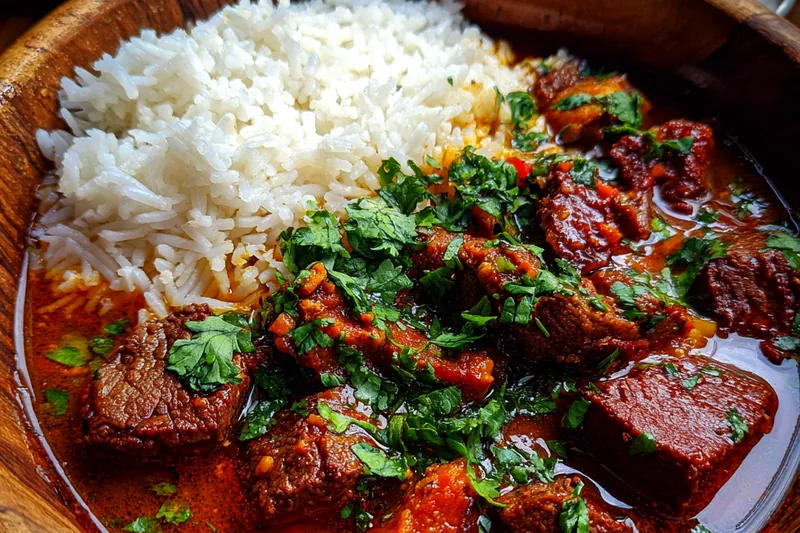
Essential Ingredients for Slow-Cooked Beef Curry with Rice
The heart of this Slow-Cooked Beef Curry lies in its core ingredients, each playing a crucial role in building its rich flavor profile. Beef stew meat, ideally chuck or sirloin, is chosen for its ability to become incredibly tender when simmered, soaking up all the fragrant sauce. Red curry paste provides the aromatic and spicy foundation, while full-fat coconut milk delivers that signature creamy richness and subtle sweetness that balances the heat. These three elements form the backbone of a truly exceptional Asian curry.
Beyond the stars of the show, aromatics like fresh ginger, garlic, and yellow onion are indispensable for creating depth. Fish sauce and brown sugar are the key to achieving that perfect balance of umami and sweetness, rounding out the curry's complexity. Don't overlook the fresh lime juice at the end; it brightens the entire dish and lifts all the flavors. Opting for quality ingredients, especially a good brand of coconut milk and fresh aromatics, will significantly elevate the final taste of your curry.
Essential Ingredient Notes
- Beef Chuck or Sirloin: For tender results, choose beef chuck or sirloin. Chuck has more marbling, leading to richer flavor and tenderness over time, while sirloin is leaner but can also become tender with proper searing and simmering. Cut against the grain where possible for shorter fibers.
- Full-Fat Coconut Milk: Always opt for full-fat coconut milk for this curry. The fat content contributes significantly to the creamy texture and richness of the sauce. Light coconut milk will result in a thinner, less luxurious curry. Shake the can well before opening to combine the cream and water.
- Red Curry Paste: The quality of your red curry paste dramatically impacts the flavor. Invest in a good quality brand, preferably one from a specialty Asian market. The spiciness can vary greatly between brands, so start with the lower amount suggested and add more to taste.
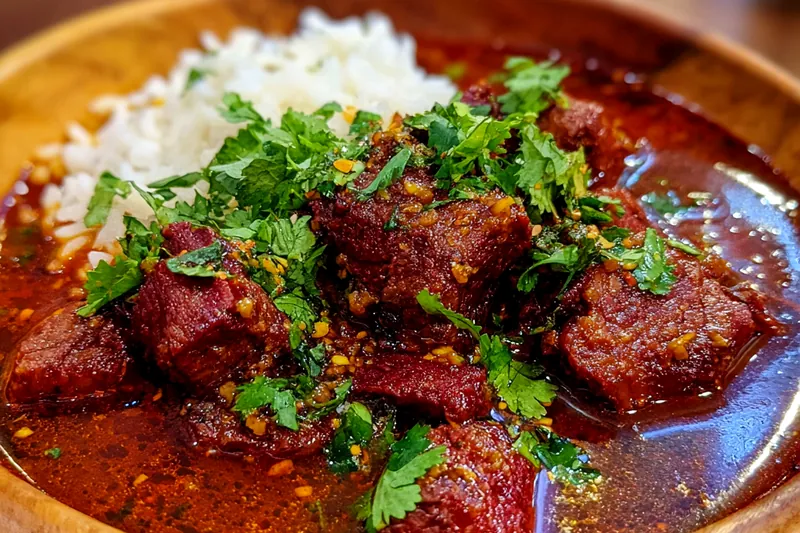
Step-by-Step Cooking Process
Creating this Slow-Cooked Beef Curry is a straightforward process that maximizes flavor at every stage. It begins with thoroughly browning the beef, a non-negotiable step that builds the foundational depth for the entire dish. Following this, the aromatics are gently sautéed, releasing their fragrant oils and setting the stage for the curry paste. By toasting the curry paste briefly, you unlock its full spectrum of spices and intensify its flavor before any liquids are added, ensuring a vibrant and complex sauce.
The magic truly happens during the simmering phase, where the beef tenderizes beautifully in the rich coconut milk and broth mixture. Adding vegetables towards the end ensures they remain crisp-tender, providing a delightful contrast to the succulent beef. The final touch of fresh lime juice is critical, brightening the sauce and tying all the robust flavors together. By following these steps, you'll achieve a perfectly balanced curry that is both deeply satisfying and surprisingly easy to prepare, making it a perfect addition to your dinner rotation.
Key Technique for Perfect Slow-Cooked Beef Curry with Rice
The most crucial technique for a truly flavorful Slow-Cooked Beef Curry is adequately searing the beef. Don't just lightly brown it; aim for a deep, dark crust on all sides. This caramelization creates rich, savory 'fond' at the bottom of the pot, which then dissolves into the sauce during simmering, imparting immense depth and complexity. Sear in batches if necessary to avoid overcrowding the pot, ensuring the beef fries rather than steams.
Slow-Cooked Beef Curry with Rice
📋 Ingredients
Main Ingredients
- 2-3 tbsp red curry pasteAdjust to taste
- 1 (13.5 oz) can full-fat coconut milkShake well before opening
- 1 cup beef brothLow sodium preferred
- 1 tbsp fish sauceAdds umami
- 1 tbsp brown sugarTo balance flavors
- Juice of 1 limeFreshly squeezed
- Salt and black pepper to tasteSeason generously
For the Sauce
- 2 tbsp vegetable oilOr other neutral oil
- 1.5 lbs beef stew meatCut into 1-inch cubes
- 1 large yellow onionFinely chopped
- 3 cloves garlicMinced
- 1 tbsp fresh gingerGrated
- 1 red bell pepperSliced thinly
- 1 cup sliced carrotsAbout 2 medium carrots
- 2 cups jasmine riceCooked according to package directions
- Fresh cilantro, choppedFor garnish
Instructions
Prepare Beef
Pat the beef cubes dry with paper towels and season generously with salt and pepper. This step is crucial for good browning.
Sear Beef
Heat 2 tbsp vegetable oil in a large Dutch oven or heavy-bottomed pot over medium-high heat. Add beef to the pot in a single layer, searing in batches if necessary to avoid overcrowding, until deeply browned on all sides (about 3-4 minutes per side). Remove seared beef and set aside.
Sauté Aromatics
Reduce heat to medium. Add chopped onion to the pot and cook, stirring occasionally, until softened and translucent, about 5 minutes. Stir in minced garlic and grated ginger, cooking for another minute until fragrant.
Add Curry Paste
Stir in the red curry paste and cook for 1-2 minutes, stirring constantly. This step helps to toast the spices in the paste, intensifying their flavor.
Simmer Curry
Return the seared beef to the pot. Pour in the full-fat coconut milk and beef broth. Add fish sauce and brown sugar. Bring the mixture to a gentle simmer, then reduce heat to low, cover, and cook for 30 minutes, stirring occasionally to prevent sticking.
Add Vegetables
After 30 minutes of simmering, stir in the sliced red bell pepper and carrots. Continue to simmer, covered, for another 15 minutes, or until the beef is fork-tender and the vegetables are cooked through to your desired crispness.
Finish and Season
Remove the pot from heat. Stir in the fresh lime juice. Taste the curry and adjust seasoning with additional salt, pepper, or more fish sauce/brown sugar if needed. The flavors should be balanced and vibrant.
Serve
Serve the Slow-Cooked Beef Curry hot over fluffy jasmine rice. Garnish generously with fresh chopped cilantro for a burst of freshness and color. Enjoy your comforting Asian-inspired meal!
Recipe Notes & Tips
Storage Tips
Store leftover Slow-Cooked Beef Curry in an airtight container in the refrigerator for up to 3-4 days. Cooked jasmine rice should be stored separately for optimal freshness and consumed within 1-2 days. For longer storage, the curry freezes beautifully for up to 2-3 months.
Serving Suggestions
While delicious on its own with rice, enhance your meal by serving this curry with a simple green salad dressed with a lime vinaigrette, or a side of steamed bok choy. A sprinkle of toasted cashews or peanuts can add a lovely crunch, and a dollop of cooling plain yogurt can balance the spice.
Recipe Variations
Feel free to customize this curry! Add other vegetables like green beans, snap peas, or potatoes during the last 15-20 minutes of cooking. For a spicier kick, increase the amount of red curry paste or add a pinch of chili flakes. You can also experiment with other proteins like chicken thighs or pork shoulder, adjusting cooking times as necessary.