Savory Korean Beef Noodles
Savory Korean Beef Noodles combine the rich flavors of marinated beef with tender noodles and vibrant vegetables. This dish is a favorite for its quick preparation and satisfying taste. Perfect for busy weeknights, it brings a taste of Korea to your dinner table. Experience the balance of sweet, savory, and spicy in every bite.

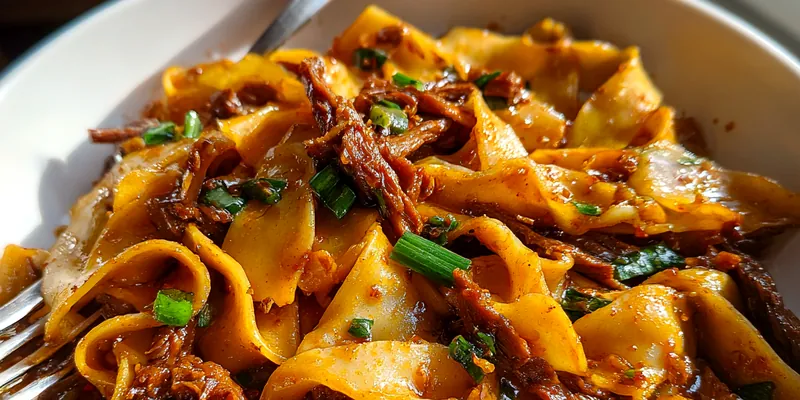
Why This Savory Korean Beef Noodles Recipe Works
This recipe is special because it balances sweet, salty, and spicy flavors that are signature to Korean cuisine. The use of fresh ingredients enhances its appeal, offering a nutritious meal that doesn't compromise on taste. The fast cooking time ensures that you can whip this up on a busy weeknight without stress.
The combination of tender beef and soft noodles creates a wonderful texture that complements the crunchy vegetables. Each bite is packed with flavor, thanks to the carefully crafted sauce. This method of cooking retains the freshness of the ingredients while ensuring the dish is hearty and satisfying.
💡 Professional Tip
For the best flavor, marinate the beef for at least 30 minutes before cooking. This enhances the tenderness and infuses it with the rich flavors of the sauce.
Frequently Asked Questions
Yes, you can prepare the beef and sauce in advance and store them in the refrigerator. Just cook the noodles and vegetables when you're ready to serve for the freshest taste.
You can use sirloin or ribeye steak as alternatives for flank steak. Both options provide tenderness and flavor, ensuring a delicious dish.
Stir-frying is the best method as it cooks the ingredients quickly and retains their flavors and textures. High heat allows for a nice sear on the beef while keeping the vegetables crisp.
To prevent toughness, slice the beef against the grain and avoid overcooking it. Marinating the beef also helps to tenderize the meat.
The dish is done when the beef is no longer pink and the vegetables are tender yet still crisp. The noodles should be heated through and well-coated with sauce.
You can serve these noodles with a side of kimchi or a simple cucumber salad to enhance the meal. Steamed rice also pairs well if you want to make it more filling.
Absolutely! Add more red pepper flakes or a splash of Sriracha sauce to the dish for an extra kick. Adjust according to your heat preference.
Store leftovers in an airtight container in the refrigerator for up to 3 days. Reheat in a skillet over medium heat, adding a splash of water or broth to prevent drying out.
Recipe Troubleshooting Guide
Beef is Too Tough
Problem: If the beef is tough, it may be due to overcooking or slicing it incorrectly.
Solution: Ensure you slice the beef against the grain and cook it briefly over high heat to keep it tender.
Noodles Are Sticky
Problem: Sticky noodles can occur if they are overcooked or not rinsed properly.
Solution: Rinse the noodles in cold water after cooking to remove excess starch and prevent sticking.
Dish Lacks Flavor
Problem: If the dish tastes bland, it may lack sufficient seasoning.
Prevention: Add more soy sauce or a pinch of salt to enhance the flavor. Taste and adjust as necessary.
Vegetables Are Overcooked
Problem: Overcooked vegetables can lose their color and nutrients.
Recovery: Stir-fry the vegetables just until tender but still crisp, removing them from heat as soon as they are bright and vibrant.
Sauce Is Too Thick
Problem: If the sauce is too thick, it may not coat the noodles well.
Prevention: Add a little water or broth to thin the sauce while heating it through for a better consistency.
Flavor Balance Issues
Too Sweet: If the dish is too sweet, add a splash of soy sauce for balance.
Too Salty: If overly salty, add a little sugar to counteract the saltiness.
Bland: If bland, enhance with additional spices or a squeeze of lime juice for brightness.
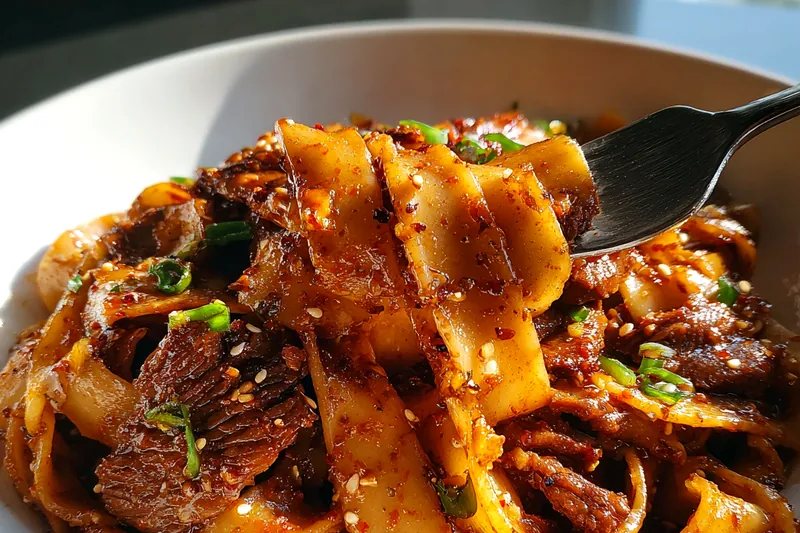
Choosing the Best Ingredients for Savory Korean Beef Noodles
Select high-quality flank steak for tenderness and flavor. Fresh vegetables like bell peppers and carrots add color and nutrients, while authentic Korean ingredients enhance the overall taste.
When preparing, make sure to wash your vegetables thoroughly and slice them uniformly. This ensures even cooking and a professional appearance in your final dish.
Essential Ingredient Notes
- Flank Steak: Flank steak is ideal for stir-frying due to its rich flavor and tenderness. Look for cuts with a good amount of marbling for the best results.
- Rice Noodles: Choose flat rice noodles that cook quickly and absorb flavors well. Soaking them before cooking can enhance their texture.
- Soy Sauce: Use a good quality soy sauce for a rich umami flavor. Low-sodium options allow you to control the saltiness of the dish.
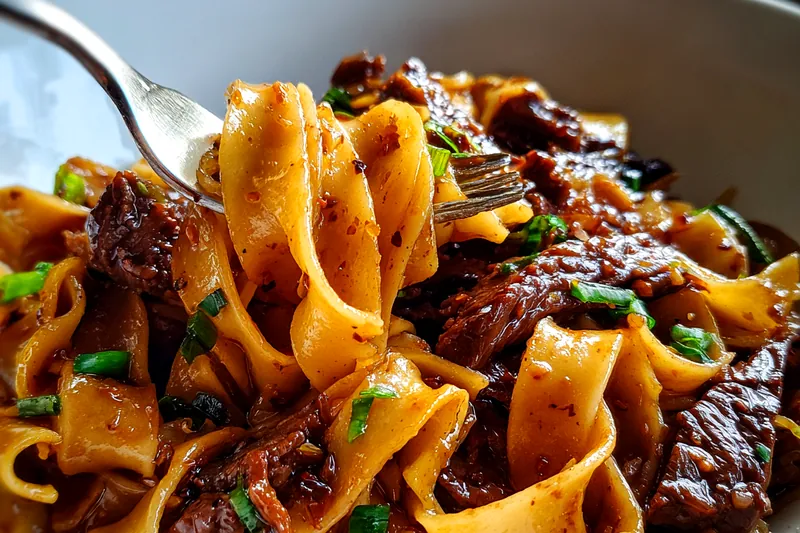
Mastering the Cooking Technique
The stir-fry technique is key to achieving perfect Savory Korean Beef Noodles. High heat ensures a good sear on the beef while keeping the vegetables crisp and vibrant.
Timing is crucial; cook the beef quickly to maintain its tenderness, and add the vegetables towards the end to keep their crunch. Visual cues like color and texture will guide you in achieving the perfect dish.
The Secret to Perfect Savory Korean Beef Noodles
The secret lies in a hot skillet and minimal cooking time for the beef to prevent toughness. The combination of fresh ingredients and the right timing creates a delightful balance of flavors.
Savory Korean Beef Noodles
📋 Ingredients
Sauce
- 2 tablespoons soy sauceAdds rich umami flavor
- 1 tablespoon sesame oilEnhances aroma and taste
- 1 tablespoon rice vinegarAdds tanginess to the sauce
- 2 tablespoons brown sugarBalances flavors with sweetness
- 1 teaspoon red pepper flakesProvides a spicy kick
Main Ingredients
- 3 tablespoons vegetable oilFor sautéing the beef
- 1 lb flank steak, sliced thinlyTender meat for a hearty dish
- 8 oz rice noodles, cookedBase of the dish
- 2 cups mixed vegetablesAdds nutrition and color
- 2 green onions, choppedFor garnish
Instructions
Make the Sauce
In a bowl, whisk together soy sauce, sesame oil, rice vinegar, brown sugar, and red pepper flakes until well combined. Set aside.
Prepare the Noodles
Cook the rice noodles according to package instructions. Drain and set aside.
Heat the Oil
In a large skillet, heat vegetable oil over medium-high heat until shimmering.
Cook the Beef
Add the sliced flank steak to the skillet in a single layer. Cook for 3-4 minutes without stirring until browned, then flip and cook for another 2-3 minutes until cooked through.
Add Vegetables
Stir in the mixed vegetables and cook for an additional 2-3 minutes until they are tender and heated through.
Combine Noodles and Sauce
Add the cooked rice noodles and sauce to the skillet. Toss everything together to coat the noodles and heat through.
Garnish and Serve
Remove from heat, garnish with chopped green onions, and serve hot.
Enjoy Your Meal
Serve the Savory Korean Beef Noodles in bowls and enjoy the delightful flavors of this dish.
Recipe Notes & Tips
Make-Ahead Instructions
You can prepare the beef and sauce in advance and store them in the refrigerator. Just cook the noodles and vegetables when you're ready to serve for the freshest taste.
Serving Suggestions
These noodles pair beautifully with a side of kimchi or a light cucumber salad. For a heartier meal, serve with steamed rice.
Recipe Variations
Feel free to customize this dish with your favorite vegetables or add tofu for a vegetarian option.