Homemade Spicy Herb Sauce
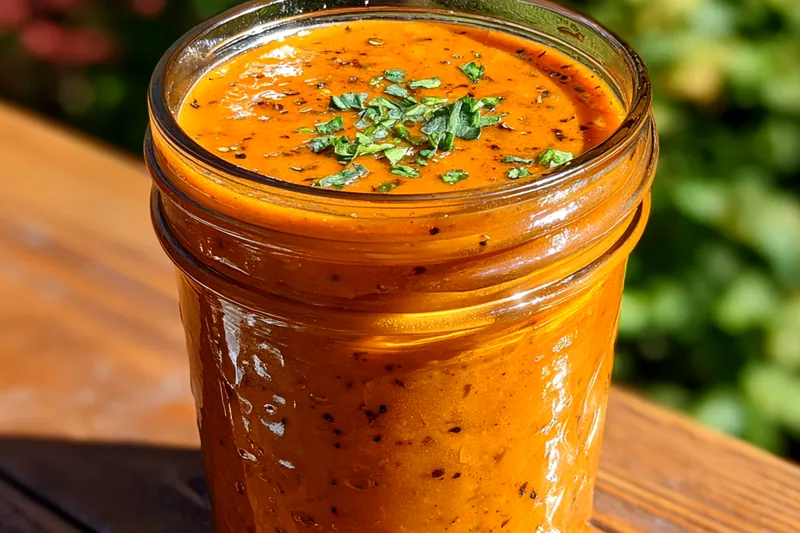
Homemade Spicy Herb Sauce is a delightful blend of fresh herbs and spices that brings life to any dish. This versatile sauce can be used as a marinade, a dressing, or a dipping sauce. With just a few simple ingredients, you can create a flavorful condiment that packs a punch. Perfect for summer barbecues or cozy dinners, this sauce is sure to impress your guests.


Why This Homemade Spicy Herb Sauce Recipe Works
This Homemade Spicy Herb Sauce recipe combines fresh herbs with a perfect blend of spices, creating a sauce that is full of flavor. The balance of tangy apple cider vinegar and sweet honey adds depth, while the red pepper flakes give it an exciting kick. It’s versatile enough to enhance meats, veggies, and even pasta dishes.
The key to achieving great results lies in using high-quality, fresh herbs. Blending them with a quality olive oil not only enhances the flavor but also provides a beautiful texture to the sauce. This technique ensures that every drop of sauce is packed with freshness and vibrancy.
💡 Professional Tip
For the best flavor, let your sauce sit in the refrigerator for an hour before serving. This allows the ingredients to meld together, creating a more cohesive flavor profile. Additionally, always taste and adjust seasonings before serving to ensure it meets your preference.
Frequently Asked Questions
Yes, you can make this sauce ahead of time. In fact, it tastes even better after sitting for a few hours or overnight in the refrigerator. Just make sure to store it in an airtight container to maintain its freshness.
If you don't have fresh herbs, you can use dried herbs instead. However, use about one-third of the amount called for, as dried herbs are more concentrated in flavor. Just keep in mind that the taste may vary slightly from the fresh version.
The sauce is done once it reaches a smooth consistency and the flavors are well combined. Taste it and adjust the seasonings as needed. If it's too thick, you can add a bit more olive oil or vinegar until you reach your desired consistency.
Yes, you can freeze this sauce. Pour it into an airtight container or freezer bag and it will last for up to three months in the freezer. When ready to use, thaw it in the refrigerator and give it a good stir before serving.
This sauce pairs beautifully with grilled meats, roasted vegetables, and pasta dishes. You can also use it as a dipping sauce for appetizers like chicken wings or fresh veggies. The possibilities are endless!
Stored in an airtight container, this sauce will last for about one week in the refrigerator. Just make sure to check for freshness before using it, especially if you notice any changes in color or smell.
Absolutely! Making this sauce in advance is actually recommended as it allows the flavors to develop. Store it in the fridge for a few days before your event to enhance the taste.
To reheat the sauce, gently warm it on the stove over low heat while stirring. Avoid boiling to preserve the flavor and texture. If it thickens too much, you can add a little olive oil to loosen it up.
Recipe Troubleshooting Guide
Too Dry
Problem: If the sauce is too dry, it might not have enough oil or liquid.
Solution: Add a little more olive oil or vinegar to achieve the desired consistency. Blend again until smooth.
Not Crispy Enough
Problem: The sauce may not add enough texture to dishes.
Solution: Try adding more grated cheese or nuts to the sauce for extra crunch and texture.
Overcooked
Problem: If the sauce has been heated too much, it may lose some flavor.
Prevention: To prevent overcooking, always heat sauces gently and stir frequently. If it has already been overcooked, consider adding fresh herbs at the end.
Undercooked Center
Problem: The sauce might be unevenly heated.
Recovery: Make sure to heat the sauce evenly and stir well to distribute the heat throughout.
Burnt Exterior
Problem: If the sauce is burnt on the bottom due to high heat.
Prevention: Always use low heat when reheating sauces. If it burns, transfer the unburnt parts to a new container immediately.
Flavor Balance
Too Sweet: If the sauce is too sweet, add a splash of vinegar or lemon juice to balance it out.
Too Salty: To counteract saltiness, add more herbs or a bit of sugar to help balance the flavors.
Bland: If the sauce is bland, try adding more spices, herbs, or seasoning to enhance the flavor.

Essential Ingredients for Homemade Spicy Herb Sauce
The key to this sauce is fresh herbs, which provide a vibrant flavor. Basil, cilantro, and parsley are the stars of the show, bringing freshness and aroma. The combination of olive oil and vinegar adds a nice balance of richness and tang, while the spices bring the heat.
Always opt for high-quality ingredients, especially when it comes to olive oil and herbs. Fresh herbs will yield the best flavor, while quality olive oil enhances the overall richness of the sauce. This attention to ingredient quality ensures a delicious and memorable sauce.
Essential Ingredient Notes
- Fresh Herbs: Using fresh herbs is essential for the best flavor in your sauce. Always choose vibrant, fragrant herbs and avoid any that look wilted or discolored.
- Olive Oil: A good quality extra virgin olive oil will elevate your sauce's flavor significantly. Look for oils that are cold-pressed and have a rich, fruity taste.
- Red Pepper Flakes: Adjust the amount of red pepper flakes to suit your spice preference. For a milder sauce, start with less and add more as needed during blending.
Step-by-Step Cooking Process
Making Homemade Spicy Herb Sauce is simple and quick. Start by preparing your herbs and then combine all ingredients in a blender. The blending process is crucial for achieving a smooth consistency and well-mixed flavors. Remember not to rush; let the blender do the work.
To achieve perfect results, ensure your ingredients are fresh and of high quality. This not only affects flavor but also texture. The smoother your sauce, the better it will coat your dishes, enhancing their presentation and taste.
Key Technique for Perfect Homemade Spicy Herb Sauce
The secret to a great sauce lies in properly blending the ingredients. Start with the herbs, whether fresh or dried, and pulse them before adding liquids. This breaks down the fibrous parts and helps release their aromatic oils, ensuring a fragrant and flavorful sauce.
Homemade Spicy Herb Sauce
📋 Ingredients
Main Ingredients
- 1 cup butterRoom temperature
- 1 cup olive oilExtra virgin
- 1 tablespoon lemon juiceFreshly squeezed
- 1 teaspoon saltTo taste
- 1 teaspoon black pepperFreshly ground
- 1 tablespoon garlic powderFor flavor
- 1 tablespoon onion powderFor flavor
For the Sauce
- 2 lbs chickenCut into pieces
- 1 tablespoon olive oilFor grilling
- 1 teaspoon saltTo taste
- 1/2 teaspoon black pepperTo taste
- 1 teaspoon paprikaFor seasoning
- 1 tablespoon fresh parsleyChopped
- 1 tablespoon fresh oreganoChopped
- 1 tablespoon garlic, mincedFor flavor
Instructions
Prepare Ingredients
Wash and dry the fresh herbs thoroughly. Remove any stems and set aside.
Combine Ingredients
In a blender or food processor, combine the fresh herbs, olive oil, apple cider vinegar, honey, red pepper flakes, minced garlic, salt, black pepper, lemon juice, cumin, and Dijon mustard.
Blend the Sauce
Blend the mixture until smooth. If the sauce is too thick, add a bit more olive oil to reach your desired consistency.
Taste and Adjust
Taste the sauce and adjust the seasonings if necessary, adding more salt or red pepper flakes for extra heat.
Add Cheese
Stir in the grated Parmesan cheese and chopped oregano for added flavor.
Transfer to Container
Pour the sauce into a clean jar or container. Seal tightly.
Chill Before Serving
Refrigerate the sauce for at least 30 minutes to allow the flavors to meld.
Serve
Serve the sauce over grilled meats, vegetables, or use it as a dip.
Recipe Notes & Tips
Storage Tips
Store your Homemade Spicy Herb Sauce in an airtight container in the refrigerator. It can last up to a week, but for the best flavor, try to use it within the first few days. Always check for freshness before use.
Serving Suggestions
This sauce is great as a marinade for chicken or fish, or as a dressing for salads. It also works well as a dipping sauce for fresh vegetables or crusty bread. Get creative and use it wherever you want a flavor boost!
Recipe Variations
Feel free to experiment with different herbs like mint or dill for a unique twist on this sauce. You can also adjust the level of spiciness by adding more or less red pepper flakes to suit your taste.