Herb Butter Beef Tenderloin
Herb Butter Beef Tenderloin is the perfect centerpiece for your dinner table. This dish pairs the tenderness of beef with a rich, flavorful herb butter that enhances its natural taste. Ideal for special occasions or family gatherings, it’s a dish that will impress any guest. Let’s dive into creating this culinary masterpiece together!

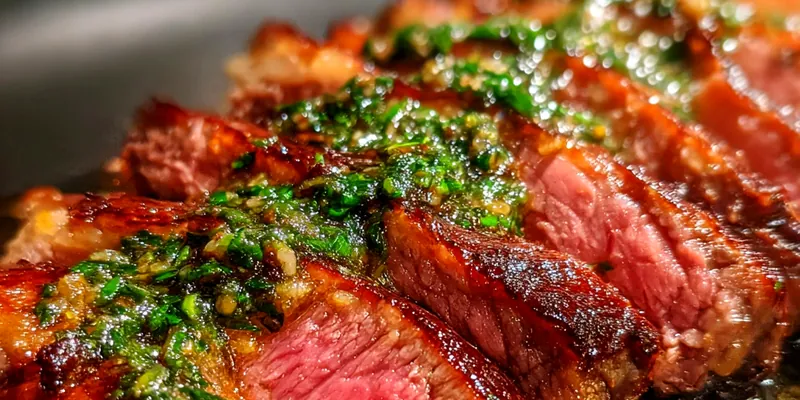
Why This Herb Butter Beef Tenderloin Recipe Works
This recipe works beautifully because it combines the richness of beef tenderloin with a herb butter that elevates the dish with fresh flavors. The herb butter melts into the meat, keeping it moist and infusing it with aromatic herbs. Each bite offers a delightful balance of savory and rich notes that make it a standout dish.
Searing the beef creates a beautiful crust, locking in juices and enhancing the flavor. Following up with roasting ensures that the center remains tender and perfectly cooked. This cooking method, combined with the herb butter, guarantees impressive and delicious results every time.
💡 Professional Tip
For the best flavor, let the herb butter sit at room temperature before applying it to the beef. This allows the herbs to infuse their oils into the butter, creating a more aromatic and flavorful topping. Also, consider using a meat thermometer to ensure perfect doneness without overcooking.
Frequently Asked Questions
Yes, you can prepare the herb butter in advance and store it in the refrigerator. You can also sear the beef ahead of time and refrigerate it. However, it’s best to roast the beef just before serving to maintain its tenderness and flavor.
If you don’t have fresh herbs, you can use dried herbs, but reduce the quantity since dried herbs are more concentrated in flavor. Typically, use one-third the amount of dried herbs compared to fresh. For example, if the recipe calls for 3 tablespoons of fresh herbs, use 1 tablespoon of dried herbs.
The best way to check if your beef tenderloin is done is by using a meat thermometer. For medium-rare, aim for an internal temperature of 135°F (57°C). Let the meat rest for 10 minutes after removing it from the oven to allow the juices to redistribute.
Yes, you can freeze cooked beef tenderloin. Allow it to cool completely, then wrap it tightly in plastic wrap and aluminum foil or place it in an airtight container. It can be frozen for up to 3 months. Thaw it in the refrigerator before reheating.
This dish pairs wonderfully with roasted vegetables, mashed potatoes, or a fresh garden salad. The rich flavors of the tenderloin are complemented by starchy sides that soak up the herb butter flavor.
In the refrigerator, cooked Herb Butter Beef Tenderloin will last for about 3-4 days. Ensure it is stored in an airtight container to maintain freshness. Reheat gently to avoid drying it out.
While the beef is best served fresh, you can prepare the herb butter and sear the beef in advance. Store the seared beef and herb butter separately in the refrigerator, and roast just before serving for the best results.
To reheat, place the beef tenderloin in a preheated oven at 350°F (175°C) until warmed through, about 15-20 minutes. Avoid using the microwave, as it can dry out the meat.
Recipe Troubleshooting Guide
Too Dry
Problem: If the beef tenderloin turns out dry, it may have been overcooked.
Solution: Ensure you use a meat thermometer to achieve the desired doneness. Cooking the meat to the correct temperature will help retain moisture.
Not Crispy Enough
Problem: If the crust isn’t crispy enough, the beef may not have been seared properly.
Solution: Ensure the skillet is hot enough before adding the beef to create a good sear. Avoid overcrowding the skillet to maintain high heat.
Overcooked
Problem: Overcooked beef tenderloin can become tough and chewy.
Prevention: To prevent overcooking, monitor the internal temperature closely with a meat thermometer and remove the tenderloin from the oven as soon as it reaches the desired doneness.
Undercooked Center
Problem: If the center of the beef tenderloin is undercooked, it may not be safe to eat.
Recovery: Return the tenderloin to the oven until it reaches the appropriate internal temperature. Always use a meat thermometer to ensure safety.
Burnt Exterior
Problem: A burnt exterior can occur if the heat is too high or if the beef is cooked too long at high heat.
Prevention: Lower the heat when searing if the exterior browns too quickly. Ensure you’re not cooking the beef for too long, especially during the oven roasting phase.
Flavor Balance
Too Sweet: If the dish is too sweet, balance it out with a little more salt or acidity, such as a splash of vinegar.
Too Salty: If the dish is too salty, adding a bit of sugar or serving with a bland side can help balance the flavors.
Bland: If the dish is bland, enhance the flavors by adding more herbs or spices and serving with a flavorful sauce.
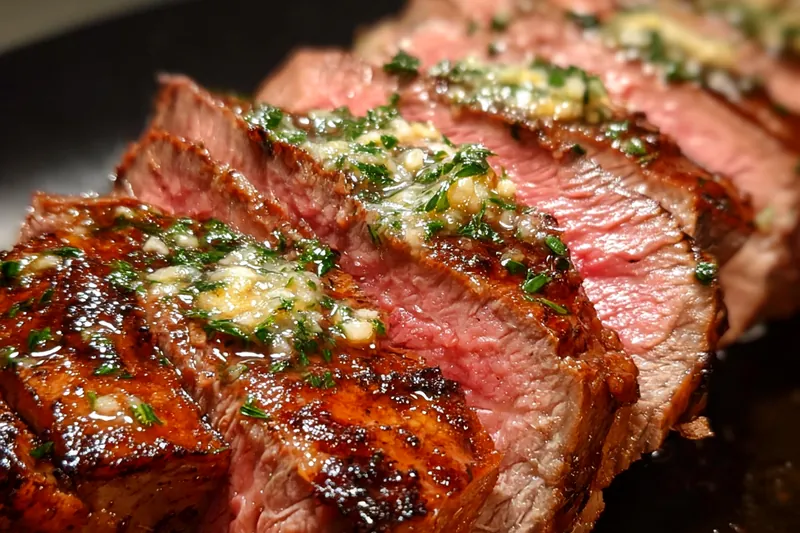
Essential Ingredients for Herb Butter Beef Tenderloin
The key ingredients for this recipe include high-quality beef tenderloin and a flavorful herb butter. Fresh herbs like rosemary and thyme add aromatic depth, while garlic enhances the savory profile. Using unsalted butter allows you to control the seasoning.
Quality matters when it comes to beef; choose a tenderloin with good marbling for tenderness and flavor. Fresh, organic herbs will yield the best results, contributing vibrant flavors to your dish.
Essential Ingredient Notes
- Beef Tenderloin: Selecting a well-marbled beef tenderloin ensures a juicy and flavorful result. Look for bright red color and avoid any browning or discoloration.
- Fresh Herbs: Using fresh herbs instead of dried can significantly enhance the flavor profile. They provide a vibrant taste and aroma that dried herbs can’t match.
- Butter: Opt for unsalted butter to have better control over the seasoning of your dish. Room temperature butter is easier to mix with herbs, ensuring even distribution.

Step-by-Step Cooking Process
This cooking process involves a combination of searing and roasting, which enhances the beef's flavor and texture. Start by searing the tenderloin to create a flavorful crust, then roast it to achieve the desired doneness. The result is a juicy, tender, and flavorful dish.
By letting the beef rest after cooking, you ensure it remains juicy and tender. Slicing it against the grain also helps maintain tenderness. This method guarantees that every bite is packed with flavor and moisture.
Key Technique for Perfect Herb Butter Beef Tenderloin
Searing the tenderloin at a high temperature creates a caramelized crust that locks in juices. This is critical to achieving that perfect balance of flavor and tenderness. Following up with a roasting phase allows for even cooking throughout the meat.
Herb Butter Beef Tenderloin
📋 Ingredients
Main Ingredients
- 1 cup unsalted butterRoom temperature
- 3 cloves garlicMinced
- 1 tablespoon fresh thymeChopped
- 1 tablespoon fresh rosemaryChopped
- 1 teaspoon saltTo taste
- 1/2 teaspoon black pepperTo taste
For the Sauce
- 2 lbs beef tenderloinTrimmed
- 1 tablespoon olive oilFor searing
- 1 tablespoon Dijon mustardFor flavor
- 1 tablespoon balsamic vinegarFor acidity
- 1 tablespoon fresh parsleyChopped for garnish
- 1 lemonZested
- 1 tablespoon Worcestershire sauceFor depth of flavor
- 1/2 teaspoon paprikaFor color and flavor
- 1/4 teaspoon cayenne pepperOptional for heat
Instructions
Prepare the Herb Butter
In a mixing bowl, combine the softened butter, rosemary, thyme, garlic, salt, pepper, lemon zest, and Worcestershire sauce. Mix well until fully incorporated.
Prepare the Beef
Preheat your oven to 400°F (200°C). Season the beef tenderloin with salt, black pepper, and paprika.
Sear the Tenderloin
In a skillet over medium-high heat, add olive oil. Once hot, sear the beef on all sides until browned, about 2-3 minutes per side.
Add Herb Butter
Remove the beef from the skillet and place it on a baking sheet. Spread half of the herb butter mixture on top of the beef.
Roast the Beef
Roast the tenderloin in the preheated oven for 25-30 minutes, or until the internal temperature reaches 135°F (57°C) for medium-rare.
Rest the Beef
Remove the tenderloin from the oven and let it rest for 10 minutes. This helps the juices redistribute.
Slice and Serve
Slice the beef into 1-inch thick pieces and serve with the remaining herb butter melted on top.
Garnish
Garnish with fresh parsley and serve with your choice of sides.
Recipe Notes & Tips
Storage Tips
Store any leftover Herb Butter Beef Tenderloin in an airtight container in the refrigerator for up to 4 days. Make sure it’s cooled to room temperature before sealing. Reheat gently to retain moisture.
Serving Suggestions
Serve your Herb Butter Beef Tenderloin with sides such as roasted potatoes, seasonal vegetables, or a creamy risotto. Pair it with a robust red wine for a perfect dining experience.
Recipe Variations
You can customize this recipe by adding different herbs like sage or parsley for a unique flavor. Experimenting with spices such as cumin or coriander can also enhance the dish. For a different twist, consider adding sautéed mushrooms or caramelized onions as a topping.