Garlic Butter Lobster Tails
Garlic Butter Lobster Tails are the perfect Mediterranean dish for a special occasion or a cozy dinner. This recipe combines succulent lobster with a rich garlic butter sauce, making it both delicious and elegant. Easy to prepare, these lobster tails are sure to impress your guests or loved ones. Enjoy the flavors of the sea right at home with this simple yet gourmet recipe.


Why This Garlic Butter Lobster Tails Recipe Works
This Garlic Butter Lobster Tails recipe stands out due to its combination of fresh, high-quality ingredients and a simple cooking technique. The use of garlic and butter enhances the natural sweetness of the lobster, creating a dish that's both savory and indulgent. Additionally, baking the lobster ensures that it remains tender and juicy while absorbing the flavors of the sauce.
The key to achieving perfect results lies in the careful balance of cooking time and temperature. By baking the lobster tails at a moderate temperature, you allow for even cooking without drying them out. The incorporation of white wine adds an extra layer of flavor, making this dish truly gourmet.
💡 Professional Tip
For the best results, choose fresh lobster tails that are firm to the touch and have a clean, ocean-like smell. If possible, buy them the same day you plan to cook. Also, be careful not to overcook the lobster, as this can make the meat tough. Keeping an eye on the internal temperature will help ensure they are perfectly cooked.
Frequently Asked Questions
While it’s best to serve Garlic Butter Lobster Tails fresh for the best flavor and texture, you can prepare the garlic butter sauce ahead of time. Simply store it in the refrigerator. When ready to serve, reheat the sauce and pour it over the lobster tails before baking. However, I recommend cooking the lobster right before serving for optimal taste.
If you can’t find lobster tails, you can substitute them with shrimp or crab legs. Both options will work well with the garlic butter sauce. Adjust the cooking time accordingly, as shrimp cook faster and crab legs are typically pre-cooked and just need to be heated through.
Lobster is fully cooked when it turns opaque and the internal temperature reaches 145°F (63°C). If you insert a knife or fork into the thickest part of the meat, it should be firm and no longer translucent. Keep an eye on the cooking time to avoid overcooking.
While you can freeze cooked lobster, it's not recommended as the texture may change once thawed. Instead, it's best to cook the lobster fresh. If you have leftover garlic butter sauce, you can freeze that for later use or refrigerate it for a few days.
Garlic Butter Lobster Tails pair beautifully with a side of garlic bread, a fresh green salad, or roasted vegetables. For a complete meal, consider serving with rice or pasta tossed in olive oil and herbs to complement the rich flavors.
Garlic Butter Lobster Tails can be stored in the refrigerator for up to 2 days. Ensure they are placed in an airtight container to maintain freshness. Reheat gently in the oven or on the stovetop to avoid overcooking.
While it's best to prepare and bake the lobster tails fresh, you can prep the ingredients ahead of time. Cut the lobster and prepare the garlic butter sauce, then store them separately in the refrigerator until ready to bake. This helps save time during dinner preparation.
The best way to reheat Garlic Butter Lobster Tails is in the oven. Preheat the oven to 350°F (175°C) and place the lobster tails in a baking dish with a little extra garlic butter. Cover with foil to retain moisture and heat for about 10-15 minutes or until warmed through.
Recipe Troubleshooting Guide
Too Dry
Problem: The lobster meat may turn out dry if overcooked.
Solution: To prevent this, monitor the cooking time closely and remove the lobster tails from the oven as soon as they are opaque. Adding a bit more garlic butter before serving can also help restore moisture.
Not Crispy Enough
Problem: Sometimes the lobster tops may not get crispy.
Solution: To achieve a crispy top, you can broil the lobster tails for the last few minutes of cooking. Just be sure to watch closely to avoid burning.
Overcooked
Problem: Overcooked lobster meat becomes tough and rubbery.
Prevention: To prevent overcooking, use a meat thermometer to check internal temperature and remove them from the oven as soon as they reach 145°F (63°C).
Undercooked Center
Problem: The center of the lobster may remain translucent if undercooked.
Recovery: If you discover the lobster is undercooked after removing it from the oven, you can return it to the oven briefly until it turns opaque throughout.
Burnt Exterior
Problem: The lobster tails can burn if the oven temperature is too high or cooked for too long.
Prevention: Ensure you're using the correct temperature and cooking time for lobster tails. If your oven runs hot, consider reducing the temperature slightly.
Flavor Balance
Too Sweet: If the dish is too sweet, adding a squeeze of lemon juice can help balance the flavors.
Too Salty: If it's too salty, serving it with a side of unsalted rice or bread can help absorb some of the saltiness.
Bland: If the flavor is bland, enhance it with additional garlic, lemon juice, or seasoning to taste.
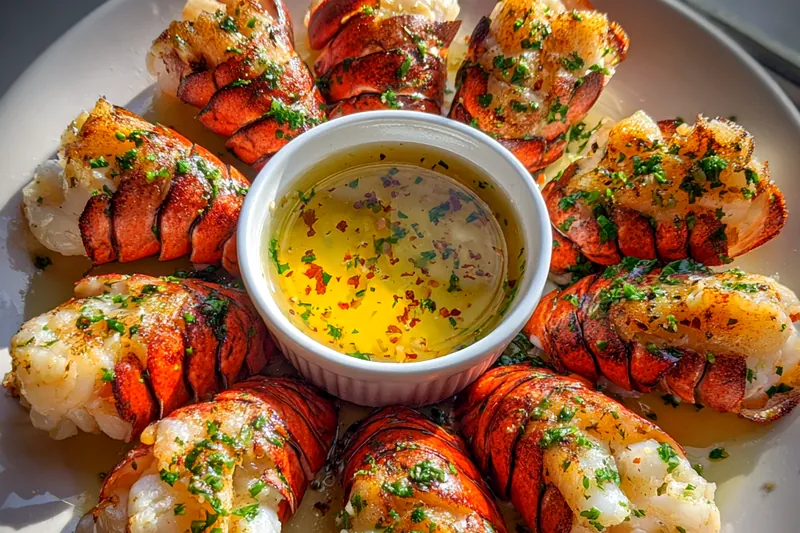
Essential Ingredients for Garlic Butter Lobster Tails
The main ingredients for this recipe include high-quality lobster tails, fresh garlic, and rich unsalted butter. These elements combined create a decadent sauce that complements the sweet, tender meat of the lobster. Fresh herbs such as parsley add a pop of color and freshness, enhancing the overall flavor profile.
Using fresh ingredients is crucial for the best results, especially with seafood. Look for lobster tails that are firm and have a clean scent. Butter should be unsalted to allow for better control of seasoning. Fresh garlic and herbs elevate the dish and should be as fresh as possible.
Essential Ingredient Notes
- Lobster Tails: Choose the freshest lobster tails available. Look for firm shells and a fresh ocean scent. If possible, ask your fishmonger about their sourcing to ensure quality.
- Garlic: Fresh garlic is essential for the sauce. Avoid pre-minced garlic, as it lacks the vibrant flavor of freshly minced garlic. You can adjust the amount to suit your taste, adding more for a stronger garlic flavor.
- Butter: Use unsalted butter for better control over the dish's saltiness. Room temperature butter will blend more easily with the garlic and herbs, creating a smooth, flavorful sauce.

Step-by-Step Cooking Process
Creating Garlic Butter Lobster Tails is a straightforward process that involves minimal preparation. The key is to focus on the quality of the ingredients and the cooking temperature. Start by preparing the lobster and garlic butter sauce, then bake to perfection.
To achieve the best results, ensure that you monitor the lobster as it cooks. This dish is about enhancing the natural flavors of the lobster, so keep the seasoning simple and avoid overpowering it with strong spices.
Key Technique for Perfect Garlic Butter Lobster Tails
The most important technique in this recipe is the careful balance of cooking time and temperature. Avoid overcooking by checking the internal temperature of the lobster. This technique ensures that the lobster remains tender and juicy, allowing the rich flavors of the garlic butter to shine through.
Garlic Butter Lobster Tails
📋 Ingredients
Main Ingredients
- 1 cup butterRoom temperature
- 4 cloves garlic, mincedFreshly minced
- 1 teaspoon paprikaFor color and flavor
- 1 tablespoon fresh parsley, choppedFor garnish
- 1 lemon, juicedFreshly squeezed
- Salt to tasteSeasoning
- Black pepper to tasteSeasoning
For the Sauce
- 2 lobster tailsFresh and cold
- 1/4 cup white wineFor added flavor
- 2 tablespoons olive oilFor cooking
- 1 teaspoon red pepper flakesFor a kick
- Fresh lemon wedges for servingFor garnish
Instructions
Prepare the Lobster Tails
Using kitchen scissors, carefully cut the top shell of the lobster tails lengthwise. Gently pull the meat out and place it on top of the shell.
Make the Garlic Butter Sauce
In a saucepan, melt the butter over medium heat. Add minced garlic and sauté until fragrant, about 1 minute.
Add Seasonings
Stir in paprika, parsley, lemon juice, salt, black pepper, and red pepper flakes to the melted butter.
Preheat the Oven
Preheat your oven to 375°F (190°C).
Prepare for Baking
Place the lobster tails in a baking dish and pour the garlic butter sauce over the meat.
Add White Wine
Pour white wine into the bottom of the baking dish to keep the lobster moist.
Bake the Lobster Tails
Bake in the preheated oven for 25-30 minutes, until the lobster meat is opaque and cooked through.
Serve
Remove from the oven, garnish with additional parsley, and serve with lemon wedges.
Recipe Notes & Tips
Storage Tips
Store any leftover Garlic Butter Lobster Tails in an airtight container in the refrigerator. They can last for up to 2 days. Reheat gently to avoid overcooking the lobster.
Serving Suggestions
For the best dining experience, serve Garlic Butter Lobster Tails with garlic bread, fresh salad, or a side of roasted vegetables. A glass of white wine pairs beautifully as well.
Recipe Variations
You can customize this recipe by adding different herbs or spices to the garlic butter. Consider using thyme or dill for a different flavor profile. Additionally, try adding cheese on top of the lobster before baking for a cheesy twist.