Creamy Lemon Pasta with Fresh Arugula
Experience a burst of fresh flavors with this Creamy Lemon Pasta with Fresh Arugula, a dish that effortlessly combines comfort with a vibrant zing. This Italian-inspired meal is perfect for a satisfying weeknight dinner, offering a harmonious blend of rich creaminess, bright lemon, and the peppery kick of fresh arugula. It's surprisingly simple to make, yet tastes like something from a high-end restaurant. Get ready to impress your taste buds!


Why This Creamy Lemon Pasta with Fresh Arugula Recipe Works
This recipe truly shines due to its perfect balance of flavors and textures. The bright acidity of fresh lemon juice and zest cuts through the richness of the heavy cream and Parmesan cheese, preventing the dish from becoming too heavy. The addition of fresh arugula at the very end provides a fantastic peppery contrast and a slight bitterness that elevates the entire pasta experience, making each bite dynamic and intriguing.
The technique focuses on building layers of flavor from the start, beginning with sautéed garlic and a wine reduction that forms a robust base for the creamy sauce. By adding the pasta directly to the sauce with a splash of reserved pasta water, we ensure every strand is beautifully coated and the sauce emulsifies perfectly. This method creates a luscious, clinging sauce that transforms simple ingredients into an extraordinary Italian dinner.
💡 Professional Tip
When making the lemon cream sauce, always remove it from direct heat before stirring in the Parmesan cheese. This prevents the cheese from clumping or becoming stringy and ensures a silky-smooth, well-emulsified sauce. If the sauce cools too much, you can gently warm it over very low heat, stirring constantly, but avoid boiling.
Frequently Asked Questions
While the pasta is best served immediately for optimal texture and flavor, you can prepare the lemon cream sauce a day in advance and store it in the refrigerator. Reheat gently over low heat, adding a splash of milk or broth if it's too thick. Cook the pasta fresh just before serving and combine with the reheated sauce, then stir in the arugula.
For a lighter option, you can use half-and-half, but the sauce won't be as rich or thick. Whole milk can also be used, but you might need to add a tablespoon of cornstarch slurry (1 tbsp cornstarch mixed with 2 tbsp cold water) to help it thicken. Dairy-free alternatives like cashew cream or full-fat coconut milk (be mindful of the coconut flavor) can also work.
The pasta is done when it's al dente – cooked through but still firm to the bite. The sauce should be creamy and coating the pasta well, not watery. The arugula should be wilted but still vibrant green, having just softened from the heat of the pasta and sauce. Taste as you go, adjusting seasonings as needed.
Freezing creamy pasta dishes is generally not recommended as the dairy can separate and become grainy upon reheating, and the pasta may become mushy. The fresh arugula will also not hold up well after freezing and thawing. It's best to enjoy this dish fresh.
This pasta is quite satisfying on its own, but it pairs beautifully with a simple side salad tossed with a vinaigrette. Crusty garlic bread or a light protein like grilled chicken or pan-seared scallops would also complement the flavors wonderfully, making it a more substantial meal.
Leftovers can be stored in an airtight container in the refrigerator for up to 2-3 days. The sauce may thicken and the arugula might become softer. When reheating, add a splash of milk or broth to loosen the sauce and gently warm on the stovetop or in the microwave.
While the full assembled dish doesn't hold up perfectly, you can definitely prep components. The sauce can be made a day ahead and refrigerated. You can also zest and juice lemons in advance. Cook the pasta and add the arugula just before serving to maintain the best quality.
The best way to reheat is on the stovetop over low heat. Add a tablespoon or two of milk, vegetable broth, or even a little reserved pasta water to help loosen the sauce and restore its creamy texture. Stir frequently until heated through. Avoid high heat to prevent the sauce from breaking.
Recipe Troubleshooting Guide
Too Dry
Problem: The pasta dish has absorbed all the sauce and appears dry or clumpy after mixing.
Solution: If your pasta dish is too dry, slowly add some of the reserved pasta water, a tablespoon at a time, while tossing the pasta. The starches in the pasta water will help create a silky, emulsified sauce. You can also add a splash of warm milk or broth if you've run out of pasta water.
Sauce too Thin
Problem: The creamy lemon sauce is too watery and doesn't coat the pasta adequately.
Solution: If the sauce is too thin, gently simmer it for a few more minutes over low heat, allowing it to reduce and thicken naturally. You can also stir in a little more grated Parmesan cheese, which will help to thicken it. Ensure you've removed it from the heat when adding Parmesan.
Overcooked Pasta
Problem: The pasta is soft, mushy, and lacks the desirable al dente texture.
Prevention: To prevent overcooked pasta, always cook it according to package directions, testing for al dente a minute or two before the suggested cook time. Remove it from the boiling water immediately once it reaches al dente. There's no recovery for mushy pasta, so proper timing is key.
Sauce Breaking
Problem: The creamy sauce has separated or looks grainy, rather than smooth and emulsified.
Recovery: Sauce breaking usually happens from too high heat or rapid temperature changes. To recover, remove the pan from heat and whisk in a tablespoon of cold butter or a small splash of cold milk/cream. If it's still separated, you can try whisking in a little reserved pasta water gradually while gently warming.
Bitter Arugula
Problem: The arugula tastes too strong or bitter, overwhelming the dish.
Prevention: Arugula can sometimes be very peppery or bitter, especially mature leaves. To balance this, you can try adding a touch more lemon juice or a pinch of sugar to the sauce to counteract the bitterness. Ensure you are using fresh, young arugula leaves for a milder flavor. You can also blanch the arugula briefly before adding it to reduce bitterness.
Flavor Balance
Too Sweet: Too sweet: Unlikely for this dish, but if somehow sweet (e.g., from too much wine reduction), add a touch more lemon juice or a pinch of red pepper flakes for balance.
Too Salty: Too salty: If too salty, add a splash more unsalted cream or pasta water. A squeeze of fresh lemon juice can also help mask excessive saltiness. For future, season incrementally.
Bland: Bland: If bland, it likely needs more salt, black pepper, or a final squeeze of fresh lemon juice. A touch more lemon zest can also brighten the flavors significantly. Don't be afraid to taste and adjust before serving.
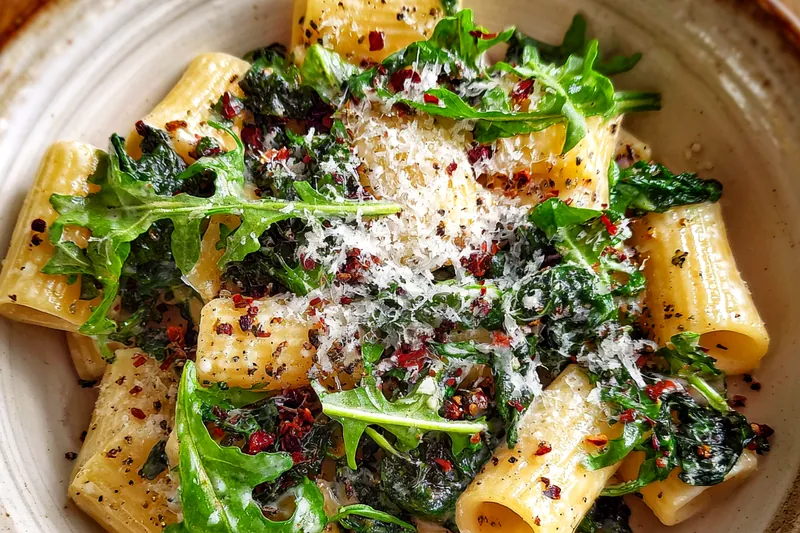
Essential Ingredients for Creamy Lemon Pasta with Fresh Arugula
The heart of this pasta lies in a few simple yet impactful ingredients. Fresh lemons, both zest and juice, are non-negotiable for that signature bright, zesty kick. High-quality heavy cream provides the luxurious, velvety texture, while freshly grated Parmesan cheese adds a salty, umami depth. Don't overlook the role of fresh garlic; it builds the aromatic foundation of the sauce. Each component plays a crucial part in creating the dish's balanced and inviting flavor profile.
Choosing the right quality ingredients can truly elevate this recipe from good to extraordinary. Opt for firm, bright yellow lemons, fresh garlic bulbs, and a block of Parmesan cheese that you can grate yourself – pre-grated cheeses often contain anti-caking agents that can affect sauce texture. And, of course, a fresh, vibrant bunch of arugula is essential for its peppery finish, providing the perfect counterpoint to the rich sauce.
Essential Ingredient Notes
- Lemons: Always use fresh lemons for both zest and juice. The zest contains essential oils that impart a brighter, more complex lemon flavor than juice alone. Zest before you juice, as it's much easier on a whole lemon.
- Parmesan Cheese: For the best flavor and texture, use freshly grated Parmesan (Parmigiano-Reggiano) from a block. Pre-grated cheese often contains cellulose, which can make your sauce gritty or prevent it from melting smoothly.
- Pasta Water: Don't discard all your pasta water! This starchy, salty liquid is a secret weapon in Italian cooking. It helps to emulsify the sauce, making it cling beautifully to the pasta and achieve that perfect creamy consistency.
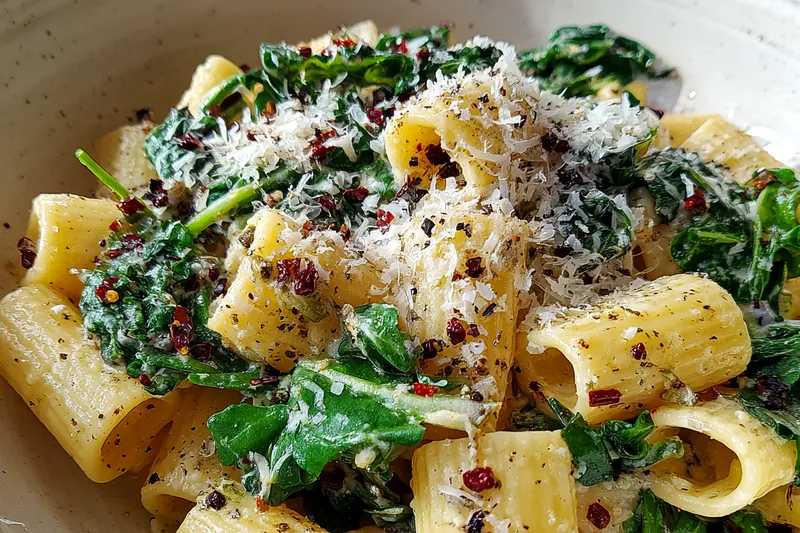
Step-by-Step Cooking Process
The magic of this Creamy Lemon Pasta begins with carefully building the sauce. Starting with sautéed garlic and a brief reduction of white wine or broth lays a rich, flavorful base. This foundational step is critical for developing depth before the cream and lemon are introduced. The process ensures that each component contributes its best to the final symphony of flavors, rather than just being added haphazardly.
Achieving perfect results means paying attention to timing and temperature. Cooking your pasta al dente is paramount, as it will continue to cook slightly when tossed with the hot sauce. Integrating the pasta and sauce while both are warm, and using reserved pasta water, is key to an emulsified, non-clumpy finish. Finally, adding the delicate arugula last ensures it wilts just enough without losing its vibrant color or peppery bite.
Key Technique for Perfect Creamy Lemon Pasta with Fresh Arugula
The most crucial technique for this dish is emulsifying the sauce with the pasta water. After draining the pasta, add it directly to your sauce and gradually add reserved starchy pasta water while tossing vigorously. This starchy water helps to bind the fat in the cream with the liquid, creating a rich, glossy sauce that perfectly coats every strand of pasta, preventing it from being watery or overly greasy.
Creamy Lemon Pasta with Fresh Arugula
📋 Ingredients
Main Ingredients
- 4 tablespoons unsalted butterGood quality for flavor
- 4 cloves garlic, mincedFreshly minced for best aroma
- 1/2 cup dry white wineOr chicken/vegetable broth
- 1 1/2 cups heavy creamFull-fat for richness
- 1/2 cup freshly grated Parmesan cheesePlus more for serving
- Zest of 2 large lemonsFine zest for maximum flavor
- 1/4 cup fresh lemon juiceFreshly squeezed
For the Sauce
- 1 pound linguine or spaghettiCooked al dente
- Salt to tasteFor pasta water and sauce
- Freshly ground black pepper to tasteEssential seasoning
- 5 ounces fresh arugulaWashed and dried
- 1/2 teaspoon red pepper flakesOptional, for a kick
- 1/4 cup fresh parsley, choppedFor garnish, optional
- Reserved pasta waterAbout 1 1/2 cups
Instructions
Cook the Pasta
Bring a large pot of heavily salted water to a boil. Add the linguine and cook according to package directions until al dente. Before draining, reserve 1 1/2 cups of the pasta water.
Sauté Garlic
While the pasta cooks, melt the butter in a large skillet or Dutch oven over medium heat. Add the minced garlic and red pepper flakes (if using) and sauté for about 1 minute until fragrant, being careful not to burn the garlic.
Deglaze with Wine/Broth
Pour in the white wine or broth, scraping up any browned bits from the bottom of the pan. Bring to a simmer and let it cook for 2-3 minutes, allowing the liquid to reduce slightly.
Add Cream and Lemon
Reduce the heat to low. Stir in the heavy cream, lemon zest, and lemon juice. Whisk until well combined. Let the sauce gently simmer for 3-5 minutes, allowing it to slightly thicken.
Incorporate Parmesan
Remove the skillet from the heat. Gradually stir in the Parmesan cheese until it melts and the sauce is smooth and creamy. Season with salt and freshly ground black pepper to taste.
Combine Pasta and Sauce
Add the drained pasta directly to the sauce in the skillet. Toss vigorously to coat the pasta evenly. If the sauce seems too thick, add a splash or two of the reserved pasta water until it reaches your desired consistency.
Stir in Arugula
Finally, add the fresh arugula to the pasta. Toss gently until the arugula just wilts. The residual heat from the pasta and sauce will be enough to soften it.
Serve
Divide the creamy lemon pasta among serving bowls. Garnish with extra grated Parmesan cheese and fresh chopped parsley, if desired. Serve immediately and enjoy!
Recipe Notes & Tips
Storage Tips
Store any leftover Creamy Lemon Pasta in an airtight container in the refrigerator for up to 2-3 days. Note that the pasta will continue to absorb sauce, so it might be drier upon reheating. Add a splash of milk or broth when warming up to restore creaminess.
Serving Suggestions
This pasta is a complete meal on its own, but for a fuller dinner, consider serving it with a crisp green salad dressed with a light vinaigrette, or a side of crusty garlic bread to soak up every last bit of the delicious sauce. Grilled shrimp or chicken can also be added for extra protein.
Recipe Variations
Feel free to customize this dish! Add grilled chicken or shrimp for a heartier meal. For an extra vegetable boost, wilt in some spinach instead of or in addition to arugula. A sprinkle of toasted pine nuts or chopped walnuts can add a lovely texture, and sun-dried tomatoes offer a delightful tang.