Baked Salmon Layered Casserole
Looking for a satisfying and nutritious dinner? The Baked Salmon Layered Casserole is a delightful dish that combines flaky salmon, vibrant vegetables, and fluffy rice. This recipe is not only easy to prepare but also packed with flavors that will transport you to Asia. Perfect for family gatherings or a cozy night in!


Why This Baked Salmon Layered Casserole Recipe Works
This casserole stands out for its layered approach, allowing the flavors to meld beautifully while keeping the dish visually appealing. The balance of salmon, vegetables, and rice creates a wholesome meal that satisfies all taste buds. It’s a versatile recipe that can be customized based on seasonal ingredients.
The technique of layering not only enhances presentation but also ensures that every bite is packed with flavor. The combination of baking with a covered dish helps keep the salmon moist while the top achieves a lovely golden crust. It’s a straightforward yet impressive dish that’s great for entertaining or family dinners.
💡 Professional Tip
To elevate the flavors even more, consider marinating the salmon for a few hours before assembling the casserole. Additionally, using fresh vegetables will enhance the overall taste and texture of the dish. For a bit of crunch, opt for panko breadcrumbs instead of regular breadcrumbs.
Frequently Asked Questions
Absolutely! You can prepare the casserole up to a day in advance and refrigerate it until you’re ready to bake. Just cover it tightly with foil to prevent drying out. When you’re ready to serve, bake it as instructed, but you may need to add a few extra minutes to the cooking time.
If salmon is not available, you can substitute with other fish like trout or cod. Additionally, if you prefer a vegetarian option, consider using firm tofu or a mixture of vegetables such as zucchini and mushrooms to maintain the dish's integrity.
The casserole is done when the salmon flakes easily with a fork and reaches an internal temperature of 145°F (63°C). The top should also be golden brown. If you're unsure, using a food thermometer can help ensure it's properly cooked.
Yes, this casserole freezes well! Allow it to cool completely before wrapping it tightly in plastic wrap and aluminum foil. When ready to eat, thaw it in the refrigerator overnight and reheat in the oven until warmed through.
This casserole is a complete meal on its own but pairs beautifully with a side salad or steamed vegetables for added freshness. You could also serve it with a light soy or sesame dressing to enhance the flavors.
Leftovers can be stored in an airtight container in the refrigerator for up to 3 days. Make sure to cool the casserole completely before sealing it to maintain its texture and flavor.
Yes, you can prep the ingredients and layer them in the baking dish a day ahead. Just keep it covered in the refrigerator until you're ready to bake. This makes it a convenient option for busy weeknights or meal planning.
The best way to reheat this casserole is in the oven. Preheat the oven to 350°F (175°C) and cover the dish with foil to prevent drying. Heat for about 20-25 minutes until warmed through. You can also reheat individual portions in the microwave, but the oven gives a better texture.
Recipe Troubleshooting Guide
Too Dry
Problem: The casserole turned out dry after baking.
Solution: To prevent dryness in the future, ensure that you don't overbake the casserole. Covering it with foil for most of the baking time will help retain moisture. Consider adding a splash of broth or water before baking if using very lean salmon.
Not Crispy Enough
Problem: The breadcrumb topping did not achieve the desired crispiness.
Solution: For a crispier topping, broil the casserole for the last few minutes of baking. Just keep a close eye on it to avoid burning. You can also mix in some grated Parmesan cheese with the breadcrumbs for added flavor and crunch.
Overcooked
Problem: The salmon turned out tough and overcooked.
Prevention: Salmon should be cooked just until it flakes easily. Use a food thermometer to check for doneness to prevent overcooking. If you find it overcooked, consider adding a drizzle of olive oil or a squeeze of lemon to enhance moisture.
Undercooked Center
Problem: The center of the casserole is not cooked through.
Recovery: If the center remains undercooked, cover the casserole and continue baking until the salmon is fully cooked. If you find this happening often, check your oven's temperature accuracy with an oven thermometer.
Burnt Exterior
Problem: The top of the casserole is burnt while the inside is undercooked.
Prevention: To avoid this, reduce the oven temperature slightly or cover the casserole with foil for the first part of the baking time. This allows the inside to cook through without burning the top.
Flavor Balance
Too Sweet: If the casserole is too sweet, add a splash of vinegar or lemon juice to balance the flavors.
Too Salty: To counteract excessive saltiness, try adding a starch like extra rice or a splash of unsalted broth.
Bland: For a bland dish, boost the flavor by adding more spices, herbs, or a dash of soy sauce to enhance the taste.
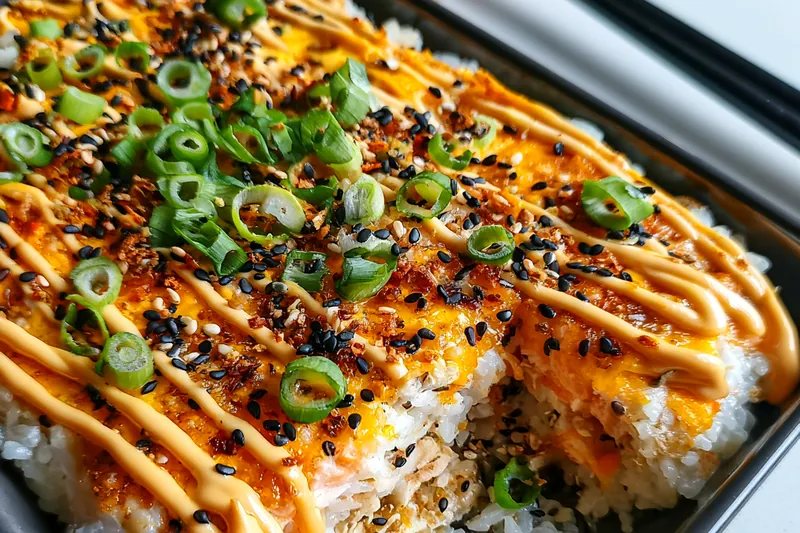
Essential Ingredients for Baked Salmon Layered Casserole
The key ingredients for this casserole include fresh salmon, which provides a rich source of omega-3 fatty acids, and jasmine rice, known for its fragrant aroma and fluffy texture. Colorful vegetables like broccoli and bell peppers not only add nutritional value but also enhance the visual appeal of the dish.
When selecting your ingredients, always opt for high-quality salmon, ideally wild-caught for the best flavor. Fresh vegetables are essential for a vibrant and healthy dish, and using jasmine rice will elevate the overall taste profile, giving it an authentic Asian flair.
Essential Ingredient Notes
- Salmon: Choose fresh salmon fillets with a bright color and a clean smell. You can also use frozen salmon, but make sure to thaw it properly before cooking for the best texture.
- Rice: Jasmine rice is preferred for its aromatic quality and fluffy texture. Rinse the rice under cold water before cooking to remove excess starch, which helps achieve the perfect consistency.
- Vegetables: Incorporate a variety of colorful vegetables to maximize nutrition. Freshly steamed vegetables not only enhance the flavor but also maintain their vibrant color in the casserole.
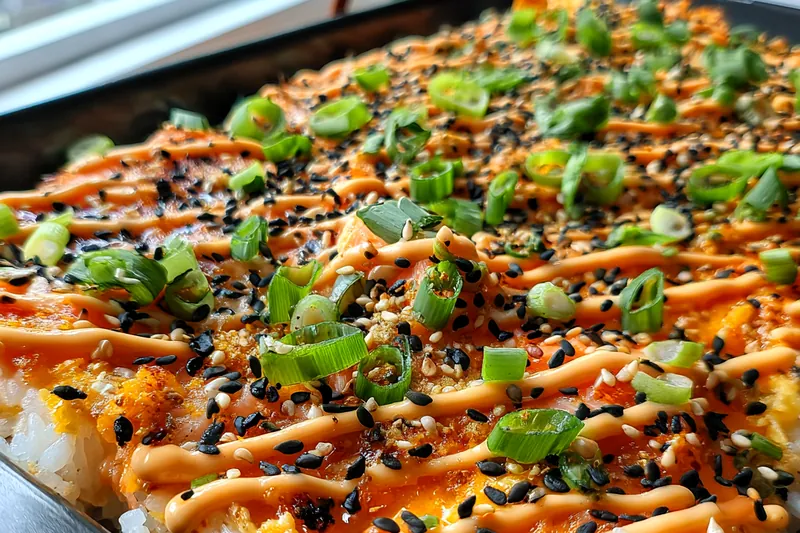
Step-by-Step Cooking Process
The cooking process for this casserole is straightforward. Start by preparing the rice and steaming the vegetables, which can be done simultaneously to save time. Layering the ingredients in a baking dish is key to achieving a well-balanced flavor in every bite.
Baking the casserole covered initially allows for even cooking while keeping the salmon moist. The final step of removing the cover ensures a crispy top, making this dish both appealing and tasty.
Key Technique for Perfect Baked Salmon Layered Casserole
The most important technique in this recipe is layering. By carefully layering the rice, vegetables, and salmon, you ensure that the flavors meld together beautifully while creating a visually stunning dish. Ensure to cook the rice properly and steam the vegetables just until tender to maintain their texture and nutrients.
Baked Salmon Layered Casserole
📋 Ingredients
Main Ingredients
- 2 tablespoons soy sauceFor flavor
- 1 tablespoon sesame oilAdds richness
- 1 tablespoon ginger, gratedFor aroma
- 1 tablespoon garlic, mincedEnhances flavor
- 1 tablespoon lemon juiceFor brightness
For the Sauce
- 2 lbs salmon filletsSkin removed
- 3 cups cooked jasmine riceFluffy and aromatic
- 1 cup broccoli floretsSteamed
- 1 cup carrots, shreddedAdds color
- 1 cup bell peppers, dicedFor crunch
- 1/2 cup green onions, choppedFor garnish
- 1/2 cup breadcrumbsFor topping
- 1 cup shredded cheese (optional)For richness
Instructions
Prepare the Oven
Preheat your oven to 375°F (190°C).
Cook the Rice
Prepare the jasmine rice according to package instructions. Set aside.
Prepare the Salmon
In a bowl, mix the salmon with sesame oil, soy sauce, ginger, garlic, lemon juice, salt, and pepper.
Layer the Ingredients
In a large baking dish, layer half of the rice, all of the steamed broccoli, carrots, and bell peppers.
Add Salmon
Spread the salmon mixture evenly over the vegetables.
Finish Layering
Top with the remaining rice, green onions, and breadcrumbs. If desired, sprinkle cheese on top.
Bake the Casserole
Cover the baking dish with foil and bake for 30 minutes. Remove the foil and bake for an additional 15 minutes until golden.
Garnish and Serve
Let it cool slightly, garnish with cilantro, and serve warm.
Recipe Notes & Tips
Storage Tips
Store leftovers in an airtight container in the fridge for up to 3 days. To reheat, cover with foil and warm in the oven to retain moisture, or use the microwave for quick reheating.
Serving Suggestions
Serve this casserole with a side of steamed vegetables or a light salad. A drizzle of soy sauce or a sprinkle of sesame seeds can enhance the Asian flavors.
Recipe Variations
Feel free to substitute the salmon with other proteins such as chicken or tofu. You can also vary the vegetables based on your preferences or what’s in season, making this a versatile dish.